
Professional Author Website
Launch an eye-catching author website quickly and easily with website templates and our drag and drop editor or build from scratch. No technical experience required.
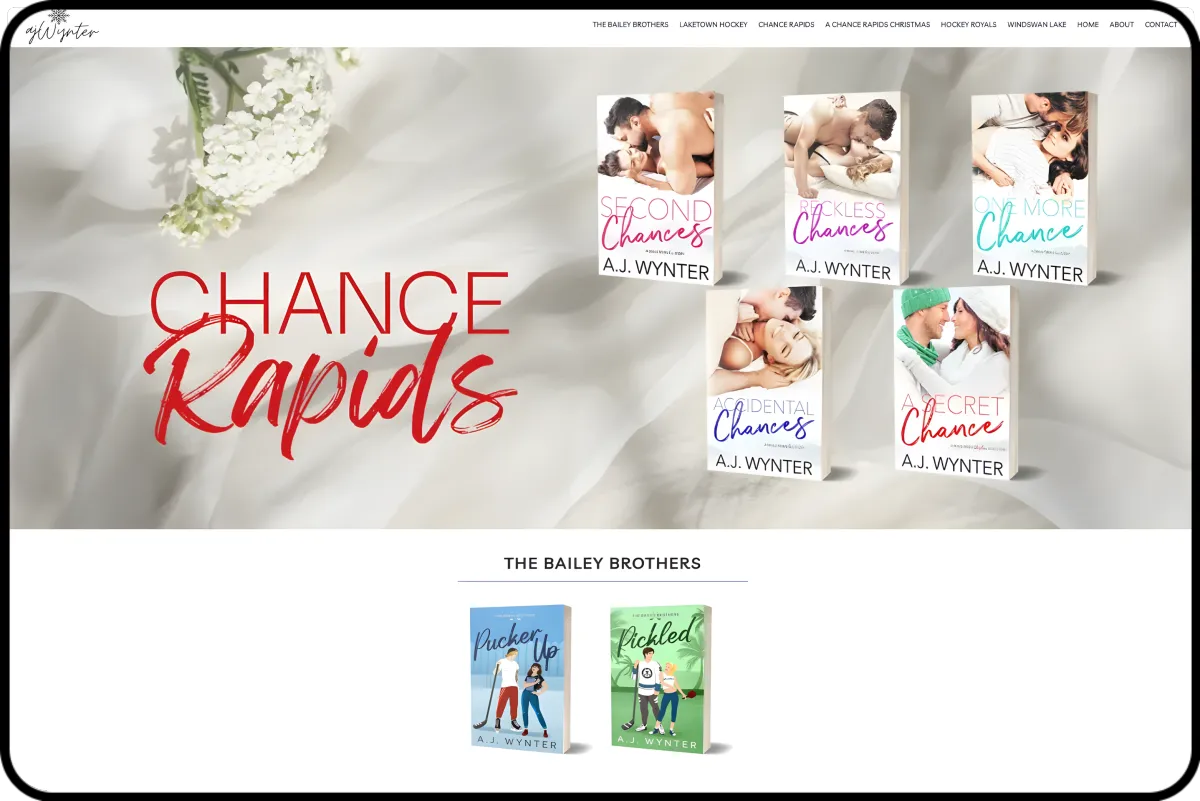
An author website is one of the most important assets an author can have, and building one with Author Launcher’s drag‑and‑drop editor is far easier than most writers expect. A professional, focused site helps you look legitimate, sell more books, and grow an email list you control, all without needing to touch a line of code.
Why an author website matters
An author website is your online home base, the one place you fully control regardless of what happens on social media or retail platforms. It gives readers, agents, and event organizers a central hub where they can see your books, learn about you, and get in touch.
Unlike retailer pages or social profiles, a dedicated author website lets you present your brand the way you want—tone, visuals, and messaging all aligned with your genre and audience. This sense of consistency builds trust and makes you look like a serious professional, even if you are still early in your career.
How your site sells books
A good author website is also a sales engine. It can highlight your backlist in one organized place and direct readers to their preferred store with clear purchase links. Many readers now discover and buy books online, so every click from your site to major retailers or your own store is a chance to turn curiosity into revenue.
You can also feature excerpts, reviews, and endorsements that reassure new visitors they are making a good choice. Over time, this combination of discoverability and social proof helps transform your site into a key part of your ongoing marketing.
Growing your email list
One of the biggest reasons to build an author website is email list growth. Email is still the most reliable way to reach readers directly with new releases, discounts, or special content. A focused email list of engaged readers often outperforms large but shallow social media followings when it comes to actual book sales.
Design your site around capturing email sign‑ups by making your newsletter and reader magnet impossible to miss. When you consistently invite visitors onto your list, your author website becomes a long‑term audience‑building tool instead of just an online brochure.
How easy it is to build
Modern drag‑and‑drop builders like Author Launcher mean you don’t need to be “techy” to create good author websites. You can move sections, add images, and edit text visually—much like arranging elements on a slide. This removes the need for coding, custom design software, or hiring a developer for basic layouts.
Because the editor is visual, it’s quick to experiment: you can try different headlines, colors, or layouts and see the changes instantly. That flexibility makes it realistic to launch a clean, functional author website in days rather than months, even if you start with a free author website setup.
Using author website templates
To make the process even smoother, authors can choose from a curated selection of author website templates inside Author Launcher and then adjust the template to their liking. Templates give you a proven structure—hero section, book blocks, email form, and footer—so you are never starting from a blank page.
You can swap in your own colors, fonts, images, and copy so the site reflects your unique brand while still following best practices for good author websites. This approach lets many writers get something live quickly and then refine over time as their catalog grows.
Core pages your site needs
A strong author website does not need dozens of sections; it just needs the right ones done well. At minimum, plan for: a home page, a books page or book detail pages, an about page, a contact page, and a place to join your email list.
Beyond that, you can add optional sections like events or a blog if they fit your strategy and bandwidth. The goal is to give visitors clear paths: learn about you, discover your books, sign up for updates, and buy.
Key pages at a glance
Page or sectionMain purposeHome pageFirst impression; guide visitors to books and email listBook detail pagesPresent each book and link to purchase optionsAbout the authorBuild connection and credibilityContact pageMake you easy to reach for readers and industry professionalsEmail signup / popupGrow your list with a reader magnetEvents or blogShare news, appearances, and fresh content
Designing an eye‑catching home page
Your home page is the front door of your author website and often the first thing new readers see when they Google your name. It should quickly communicate who you are, what you write, and what you want visitors to do next (usually join your email list or check out your latest book).
Use a clear, bold headline that reflects your genre or main promise, paired with a high‑quality author headshot or book cover image. Below that, add a short introduction, a strong call‑to‑action button, and prominent links or images featuring your key titles so visitors can explore further.
Adding a reader‑magnet popup
An effective home page almost always includes an email signup offer, and a popup is one of the highest‑converting ways to present it. A “reader magnet” could be a free novella, bonus epilogue, exclusive short story, sample chapters, or a behind‑the‑scenes guide—whatever your audience will value.
Configure a popup that appears after a visitor spends a few seconds on the page or starts to leave, inviting them to get the free content in exchange for joining your email list. Keep the form simple, usually just first name and email, so there is as little friction as possible. This helps your author website consistently grow your list in the background.
Book detail pages that sell
Every significant book should have its own dedicated page on your author website. These book detail pages give you room to showcase the cover, description, retailer links, formats (ebook, paperback, audio), and any reviews or endorsements worth highlighting.
Place “Buy” or “Read more” buttons above the fold and repeat them lower on the page so visitors never have to hunt for how to purchase. If possible, include a short excerpt or sample so readers can taste your voice before committing, which is a common feature of good author websites.
About the author page
Your about page is where readers connect with the person behind the books. It should include a concise bio, a professional (but friendly) headshot, and a bit about your writing journey or interests that matter to your audience. This content does not have to be long, but it should feel authentic and consistent with the tone of your work.
Include a brief mention of your main series or accolades if relevant, plus links to social profiles where you are actually active. Many readers like to explore this page before deciding whether to follow you long term, making it central to any free author website or premium setup.
Contact page and press info
A simple contact page makes it easy for readers, podcast hosts, librarians, and bookstores to reach out. This can be as straightforward as a form that routes messages to your email, along with any public email address you prefer to use.
If you do media or events, consider adding lightweight press information here as well: a short bio, downloadable headshot, and links to notable interviews or reviews. Over time, this can help your author website unlock new opportunities you might otherwise miss.
Events and appearances
If you do signings, festivals, online launches, or podcast interviews, an events section gives fans a place to see what is coming up. Listing dates, locations, and ticket or registration links encourages your most dedicated readers to engage beyond the page.
After events, you can update the page with photos or brief recaps, which not only keeps your site fresh but also shows new visitors you are active and visible in your niche. This type of activity often separates good author websites from static, rarely updated ones.
Blogging (only if it fits)
A blog can be powerful, but it is not mandatory. If you enjoy writing shorter pieces—craft essays, behind‑the‑scenes notes, or reader FAQs—a blog can help you share updates and give people reasons to return to your site.
However, an abandoned blog with one post from years ago can make your site look neglected. If you choose to blog, commit to a realistic schedule (for example, once a month) and focus on posts that support your books, deepen reader connection, or attract new visitors via search.
Making the most of templates
Author website templates inside Author Launcher are designed to include all of these essential pieces in a layout that already follows proven best practices. By starting from a template, you can:
Ensure your home page, book blocks, and email opt‑in are placed prominently.
Maintain consistent fonts, colors, and spacing without design training.
Launch quickly, then fine‑tune sections as you release more books.
This makes a template‑based approach one of the best website builder for authors styles of setup, particularly if you want a free author website to start and upgrade later as your career grows.
Simple steps to get started
Putting it all together, a straightforward path looks like this:
Choose a template that matches your genre vibe and structure needs.
Add your branding basics: name, tagline, headshot, and cover images.
Build an eye‑catching home page with a clear call to join your email list.
Create individual book detail pages with strong descriptions and purchase links.
Set up your reader‑magnet popup and connect it to your email list.
Fill out your about and contact pages so people can learn about and reach you.
Following these steps with a drag‑and‑drop system and author website templates means launching a polished author website is manageable for any motivated writer. Whether you are after a simple, free author website or aiming to create one of the best website builder for authors style platforms in your niche, the key is to start, publish, and keep refining as your readership grows.
Author Launcher
Designed by Authors for Authors
All Rights Reserved © 2026

We donate 10 meals per member per month